


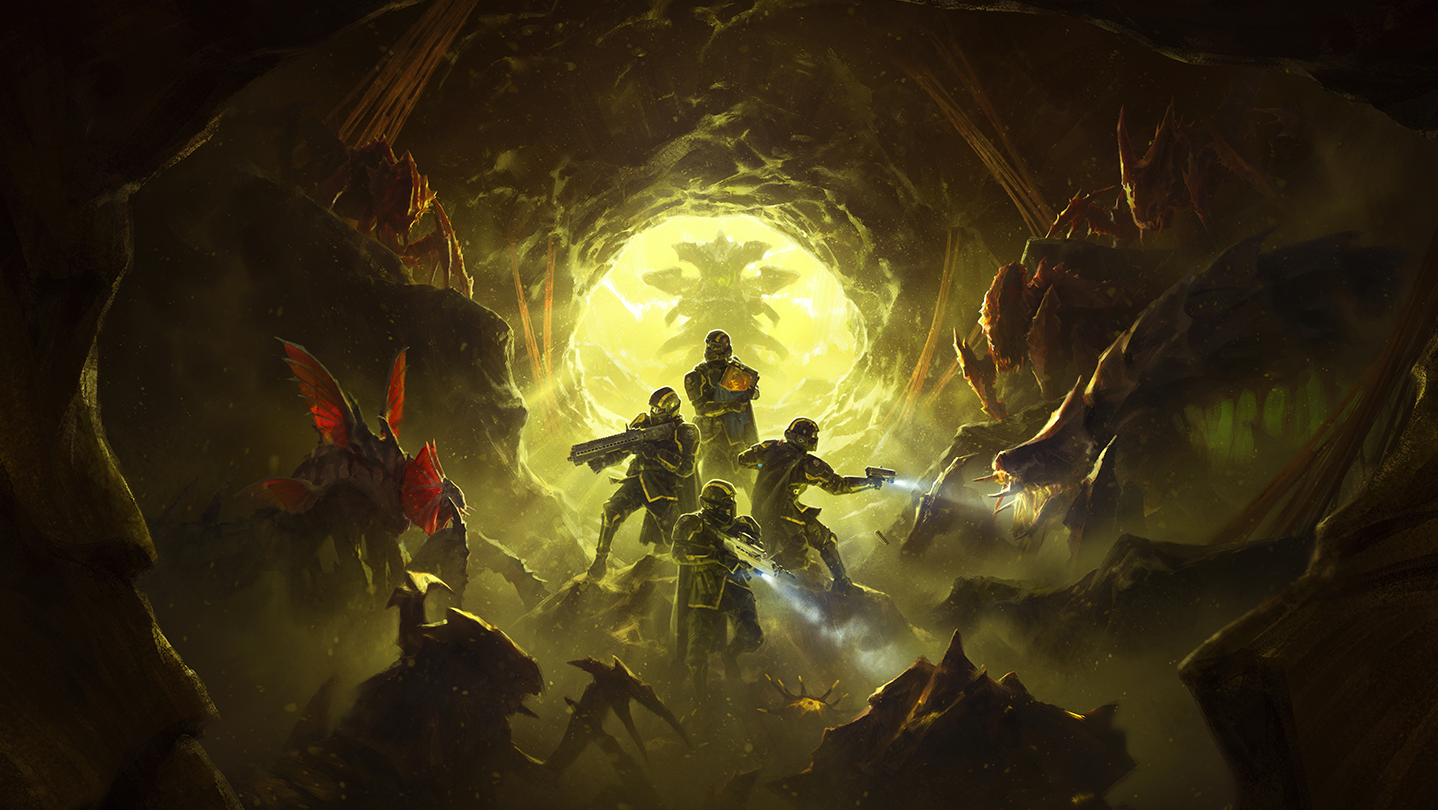

Agen jitutoto menampung pembelian nomor lotre togel secara eceran, namun pemain tetap berkesempatan menang besar dengan hadiah utama senilai 10 juta di JITUTOTO X 777 SLOT.
| Interface | Full Audio | Subtitles | |
|---|---|---|---|
| English | ✔ | ✔ | ✔ |
| French | ✔ | ✔ | ✔ |
| Italian | ✔ | ✔ | ✔ |
| German | ✔ | ✔ | ✔ |
| Spanish - Spain | ✔ | ✔ | ✔ |


Best Ongoing Game Winner - The Game Awards 2024

Best Multi-Player Winner - The Game Awards 2024

Action Game of the Year
Online Game of the Year
Outstanding Achievement in Original Music Composition
Outstanding Achievement in Audio Design
 Game of the Year 2024 (Professional)

Game of the Year 2024
Best Visual Design 2024
Best Technical Innovation 2024

Best Game Design: Helldivers 2 - Arrowhead Game Studios | Sony Interactive Entertainment
 #5 Most Wanted Game by PC Gamer
Julukan jitutoto Bandar Togel -> Prize Terbesar
Keyword :
jitutoto Togel
Hadiah Togel
Togel Online
Togel 10 Juta
Nomor Togel 4D
jitutoto resmi
jitutoto link
jitutoto login
jitutoto alternatif
Komisi Pemberantasan Korupsi (KPK) resmi menetapkan Bupati Muara Enim, Edison, sebagai tersangka dalam perkara dugaan tindak pidana korupsi yang berkaitan dengan pengadaan barang dan jasa di lingkungan Dinas Pendidikan dan Kebudayaan (Disdikbud) Kabupaten Muara Enim. Penetapan status hukum tersebut merupakan tindak lanjut dari operasi tangkap tangan (OTT) yang dilakukan tim penyidik KPK pada Senin (8/6/2026).
Kasus ini langsung menjadi perhatian publik karena melibatkan kepala daerah aktif yang sebelumnya dikenal memiliki rekam jejak birokrasi cukup panjang. Selain proses hukum yang sedang berjalan, masyarakat juga menyoroti laporan harta kekayaan penyelenggara negara (LHKPN) yang telah disampaikan Edison kepada KPK.
Berdasarkan data LHKPN yang dilaporkan pada 27 Maret 2026 untuk periode pelaporan tahun 2025, Edison tercatat memiliki total kekayaan senilai lebih dari Rp16 miilar. Sebagian besar aset tersebut berasal dari kepemilikan tanah dan bangunan yang tersebar di sejumlah wilayah Sumatera Selatan, seperti Palembang, Banyuasin, dan Prabumulih.
Nilai keseluruhan aset properti yang dimiliki mencapai sekitar Rp14,1 miilar. Selain itu, Edison juga melaporkan kepemilikan dua kendaraan pribadi, yakni sebuah Toyota Alphard tahun 2010 dan Toyota Fortuner tahun 2019 dengan total nilai sekitar Rp505 juta. Tidak hanya aset properti dan kendaraan, laporan tersebut juga mencantumkan harta bergerak lainnya senilai Rp705 juta, kas dan setara kas sekitar Rp140 juta, serta aset tambahan lain senilai Rp500 juta. Dalam laporan yang sama, Edison menyatakan tidak memiliki kewajiban utang sehingga total kekayaan bersihnya mencapai Rp16.030.192.000.
Namun demikian, besarnya nilai kekayaan resmi tersebut kini menjadi bagian dari perhatian penyidik yang sedang menelusuri dugaan aliran dana tak wajar. Dalam OTT yang dilakukan, KPK berhasil mengamankan sejumlah barang bukti berupa uang tunai dalam berbagai mata uang, termasuk rupiah, dolar Amerika Serikat, dan riyal dengan total nilai mencapai Rp2 miilar.
Lebih lanjut, tim kedeputian penindakan KPK mengungkap adanya dugaan pengondisian rekening pihak lain yang beralih fungsi menjadi alat penyamaran transaksi digital. Identitas pegawai non-struktural seperti office boy dan sejumlah aparatur sipil rendahan di lingkungan Pemerintah Kabupaten Muara Enim diduga dipinjam untuk membuka akun-akun premium di berbagai platform hiburan daring internasional.
Penyidik mensinyalir bahwa dana suap proyek tersebut dipecah dalam nominal kecil lalu disetorkan sebagai deposit ke dalam akun jaringan slot online global, pembelian kupon angka toto4D lintas batas, hingga modal taruhan pada bursa live bet olahraga internasional.
Melalui modus manipulasi transaksi siber ini, pelaku diduga mencoba mengaburkan asal-usul uang (placement dan layering). Dengan memanfaatkan ekosistem digital yang memiliki volume perputaran uang super cepat seperti live bet dan slot online, aliran dana haram tersebut disamarkan seolah-olah sebagai hasil kemenangan murni dari skema slot gacor atau tebakan jitu toto4D.
Temuan Penyidik: Pemanfaatan akun hiburan daring tiruan atas nama orang lain merupakan bentuk kamuflase mutakhir untuk mengecoh sistem pelaporan transaksi keuangan mencurigakan (PPATK) dan menghindari pelacakan aset (asset recovery) oleh aparat penegak hukum.
Kasus ini kembali mengingatkan pentingnya transparansi dan akuntabilitas dalam pengelolaan keuangan daerah. Di tengah derasnya arus informasi digital saat ini, perhatian masyarakat terhadap kasus korupsi memang kerap kali berkelindan dengan topik populer lainnya di internet. Di media sosial, bahasan mengenai skandal politik lokal ini bersaing ketat dengan algoritma pencarian cara memenangkan slot gacor, tips prediksi toto4D, hingga jadwal live bet bola dunia.
Namun, para pengamat kebijakan publik mengingatkan bahwa masyarakat harus tetap kritis dan menempatkan isu pemberantasan korupsi sebagai fokus utama, sebab dampak dari keserakahan birokrat berhubungan langsung dengan rusaknya fasilitas pendidikan dan masa depan anak-anak daerah.
Saat ini, KPK masih terus melakukan pemeriksaan intensif dan melakukan klasterisasi akun-akun digital yang diduga terafiliasi dengan tersangka. Perkembangan perkara ini diperkirakan masih akan terus bergulir dalam beberapa waktu ke depan guna mewujudkan tata kelola pemerintahan yang bersih, profesional, serta bebas dari segala bentuk praktik manipulasi keuangan di dunia nyata maupun dunia maya.
Slot online merupakan salah satu bentuk permainan digital yang banyak ditemukan pada platform hiburan berbasis internet. Permainan ini umumnya menggunakan sistem gulungan virtual dengan berbagai tema, efek visual, serta fitur bonus yang dirancang untuk memberikan pengalaman interaktif kepada pengguna. Dalam praktiknya, hasil permainan ditentukan oleh sistem acak atau Random Number Generator (RNG). Meskipun sering dipromosikan dengan berbagai istilah seperti jackpot atau kemenangan besar, penting untuk memahami bahwa setiap putaran memiliki unsur keberuntungan yang tidak dapat diprediksi secara pasti. Oleh karena itu, pengguna perlu memahami risiko finansial yang dapat muncul sebelum berpartisipasi.
Toto 4D adalah permainan tebak angka yang mengharuskan peserta memilih kombinasi empat digit angka sesuai dengan ketentuan yang berlaku pada suatu pasaran tertentu. Permainan ini dikenal luas di berbagai negara Asia dan biasanya memiliki jadwal pengundian yang telah ditetapkan. Setiap kombinasi angka memiliki peluang yang sama untuk keluar dalam hasil undian. Karena bersifat acak, tidak ada metode yang dapat menjamin keberhasilan dalam memprediksi hasil secara konsisten. Berbagai strategi dan analisis angka yang beredar di masyarakat umumnya bersifat spekulatif dan tidak dapat dijadikan jaminan untuk memperoleh hasil yang diharapkan.
©2023 Sony Interactive Entertainment LLC. Developed by Arrowhead Game Studios AB. Helldivers is a registered trademark of Sony Interactive Entertainment LLC and related companies in the U.S. and other countries.